Commercial Landscaping Services and the Details That Shape Professional Properties
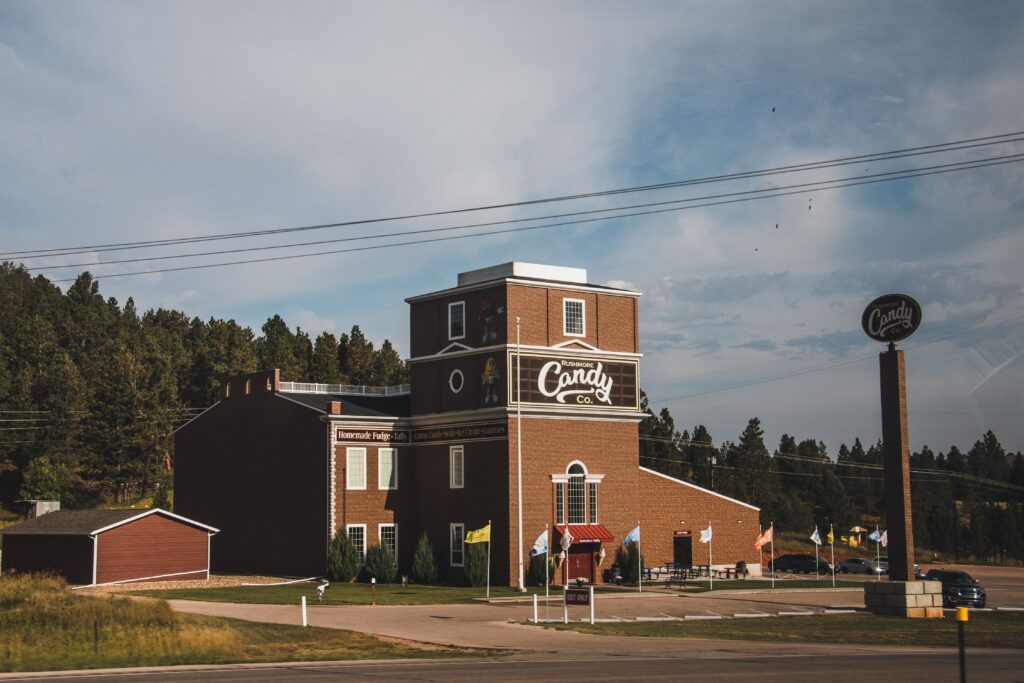
Commercial landscapes are made up of many small elements that collectively influence how a property feels. A freshly cut lawn helps, but so do clean edges, controlled plant growth, tidy beds, and debris-free entrances. Well-planned Commercial Landscaping Services coordinate these details so the exterior presents a consistent image.
The most effective maintenance approach looks at the entire property rather than treating each landscape feature in isolation.
Think of the Landscape as One System
Turf, trees, shrubs, beds, walkways, and drainage areas interact with each other.
For example, excessive shade from mature vegetation can affect turf density. Poor drainage can weaken plants and encourage unwanted growth.
Commercial Landscaping Services should therefore begin with an understanding of site conditions.
Prioritize Visible Zones
Not every part of a property receives equal attention from visitors. Entrances, signs, parking areas, and main pedestrian routes are usually noticed first.
Keeping these areas neat can significantly influence overall presentation.
Lawn Care Sets the Background
Turf often occupies the largest continuous area in a commercial landscape. Uneven mowing, excessive weeds, or bare sections therefore become highly visible.
Commercial Landscaping Services can include consistent mowing, edge maintenance, and ongoing turf observation.
A dense lawn also creates clearer contrast with planting beds and paved areas.
For businesses considering commercial landscaping support in the area, consistency should be a central consideration rather than occasional cosmetic improvement.
Planting Beds Add Structure
Beds frame buildings, entrances, signs, and walkways. When maintained properly, they help organize the landscape visually.
Weeds and uncontrolled growth can quickly reduce that effect.
Keep Growth Intentional
Shrubs and other plants need room to develop, but growth should not obstruct pathways or overwhelm neighbouring features.
Commercial Landscaping Services can incorporate periodic pruning based on plant condition and site needs.
Cleanliness Is Part of Landscaping
Branches, leaves, grass clippings, and windblown debris can undermine otherwise good landscape work.
Routine cleanup should therefore accompany mowing and bed care.
High-traffic commercial sites may need particular attention around entrances and parking areas where debris is especially noticeable.
Observe Before Problems Expand
A maintenance visit provides an opportunity to inspect the property, not merely complete a checklist.
Look for turf thinning, plant stress, broken branches, weeds, erosion, standing water, and unusual growth.
Commercial Landscaping Services become more valuable when routine observations help identify changing site conditions.
Record Recurring Concerns
Some landscape issues return year after year. Keeping notes about them can improve future planning.
If a certain area repeatedly becomes waterlogged, for example, treating damaged grass alone may never solve the underlying problem.
Match Maintenance to Property Use
An office complex, retail location, industrial site, and multi-unit property can have very different traffic patterns.
Commercial Landscaping Services should account for these differences.
A busy retail entrance may require frequent presentation checks, while a large industrial site may place greater emphasis on extensive turf areas and perimeter maintenance.
Consistency Is More Noticeable Than Complexity
A commercial landscape does not need excessive decorative features to appear professional.
Clean lines, healthy turf, controlled vegetation, tidy beds, and predictable maintenance often create a stronger impression than complicated landscaping that cannot be maintained consistently.
Conclusion
Commercial Landscaping Services help bring the many parts of an exterior property into a consistent maintenance system. Turf care, edging, planting-bed attention, pruning, cleanup, and routine observation all influence how visitors experience the site. The strongest approach considers property use, seasonal changes, and recurring landscape concerns rather than relying on isolated tasks. With clear standards and regular attention to visible details, commercial grounds can maintain an orderly, functional, and professional appearance throughout the growing season.
About The Author