Paint Correction Near Me: Understanding the Process Before You Choose
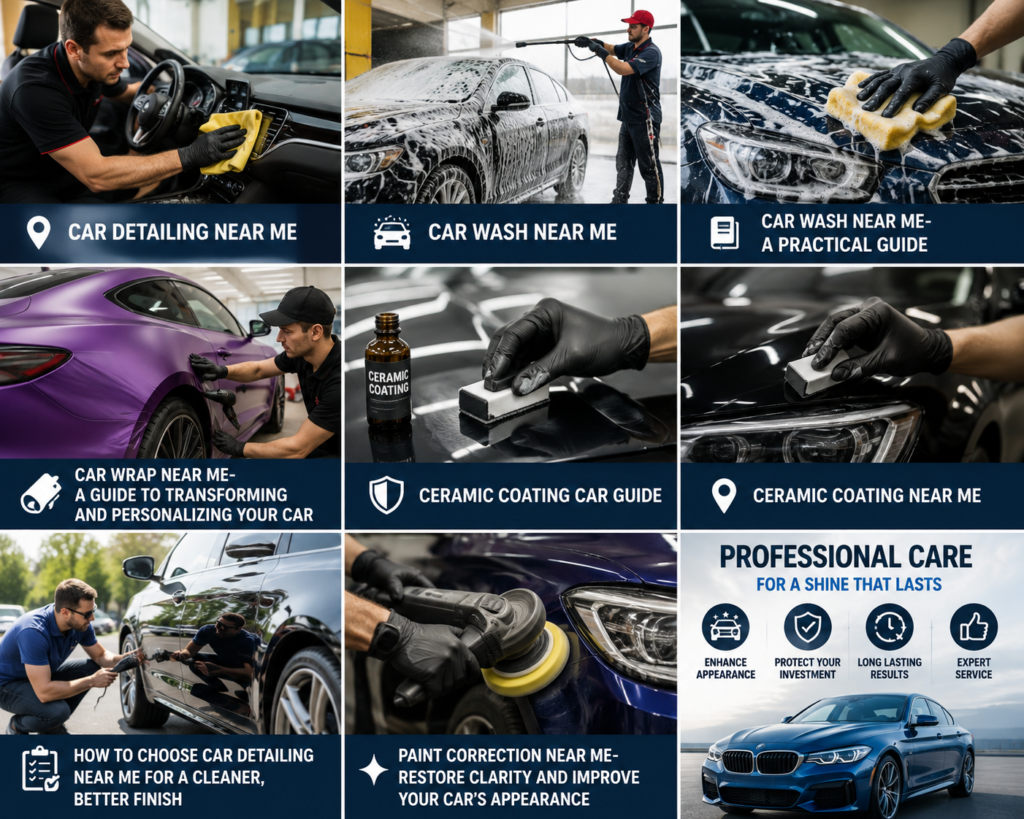
Even a regularly cleaned vehicle can gradually lose the crisp, reflective appearance it once had. Fine scratches, swirl marks, oxidation, water spots, and other surface imperfections can interfere with how light reflects from automotive paint.
That is why vehicle owners often begin searching for Paint correction near me when normal washing no longer restores the finish they want. Paint correction is different from cleaning because it focuses on improving defects in the painted surface rather than simply removing dirt.
Understanding the process can help you decide whether your vehicle may benefit from this type of treatment.
What Is Paint Correction?
Paint correction is a controlled process designed to reduce visible imperfections in a vehicle’s finish.
Under direct light, fine scratches and swirl marks scatter reflections. This can make paint appear hazy or less glossy even when the surface is perfectly clean.
Correction generally involves polishing the surface carefully to improve clarity and reduce these imperfections.
Why Do Swirl Marks Develop?
Swirl marks can develop through repeated contact with the paint.
Improper washing, contaminated cleaning materials, careless drying, and repeated physical contact may contribute to fine surface marks over time. They can be especially noticeable on darker paint, although vehicles of any colour can develop them.
Because the defects exist in the finish itself, ordinary washing generally cannot remove them.
Inspection Comes Before Correction
An important part of paint correction is evaluating the surface before polishing begins.
Not every scratch is the same. Some imperfections may be relatively shallow, while others can extend too deeply for safe correction.
A careful inspection helps determine what can realistically be improved without pursuing unnecessarily aggressive work.
Lighting Reveals the True Condition
Paint can appear excellent in shade while revealing numerous defects under strong lighting.
Inspection lighting helps expose swirls, haze, scratches, and inconsistencies that are difficult to identify under ordinary conditions. This makes it easier to determine where attention is required.
Drivers considering professional automotive appearance care should understand that realistic expectations begin with assessing the paint’s existing condition.
Paint Correction Is Not the Same as Waxing
These two processes are sometimes confused.
Waxing generally adds a temporary layer to the surface and can improve appearance. Paint correction, however, addresses imperfections by refining the finish itself.
Likewise, simply applying something glossy over scratched paint does not necessarily remove the defects underneath.
This distinction matters when comparing options after searching for paint correction near me.
Different Vehicles Require Different Approaches
There is no single correction method appropriate for every vehicle.
Paint condition, defect severity, previous maintenance, vehicle age, and desired outcome can influence the process. Some finishes may need relatively light refinement, while others may require more extensive polishing.
The objective should be meaningful improvement while preserving the integrity of the finish.
What Results Can You Expect?
Paint correction can improve gloss, reflection, depth, and overall visual clarity when defects are suitable for correction.
However, responsible correction is not based on promising that every mark will disappear.
Deep scratches or damage extending beyond the correctable portion of the finish may remain. Trying to remove every defect regardless of depth can require excessive material removal, which is not always appropriate.
Realistic improvement is more important than chasing perfection at any cost.
Caring for Corrected Paint
After correction, maintenance habits become particularly important.
Poor washing techniques can gradually introduce new marks and reduce the visual improvement achieved through polishing.
Use clean washing materials and avoid unnecessarily aggressive contact with painted surfaces. Dirt should be removed carefully rather than rubbed across the finish.
Prevention Is Easier Than Repeated Correction
Correction should not become a substitute for careful maintenance.
Once the finish has been improved, preserving it through thoughtful cleaning can reduce the need for repeated polishing. This is especially important because polishing works directly with the painted surface.
Regular inspections can also help identify contamination and minor issues before they become more noticeable.
Is Paint Correction Right for Your Vehicle?
Consider correction when the paint remains dull, hazy, or visibly swirled even after thorough cleaning.
It may also be useful when improving the appearance of a vehicle that has accumulated years of minor surface defects.
The appropriate decision depends on the condition of the finish and your expectations for the final appearance.
Conclusion
Searching for paint correction near me often begins when routine washing is no longer enough to restore a vehicle’s visual clarity. Paint correction focuses on reducing suitable surface imperfections and improving how the finish reflects light.
A careful process begins with inspection, uses an approach suited to the condition of the paint, and sets realistic expectations about deeper damage. Just as importantly, proper maintenance afterward helps preserve the improvement and reduce the return of unnecessary swirl marks and fine scratches.
About The Author