Dump Near Me Open: How to Plan a Convenient Waste Drop-Off
A garage cleanout, renovation, landscaping project, or property cleanup can leave you with more waste than regular collection can handle. When debris starts piling up, searching for a dump near me open can help you identify a practical place to take unwanted materials.
However, choosing a disposal destination should involve more than finding somewhere nearby. Sorting materials, preparing your load, understanding what may be accepted, and considering recycling opportunities can make your trip more efficient and environmentally responsible.
Why Planning Before a Waste Drop-Off Matters
It is tempting to load everything into a vehicle and deal with sorting later. Unfortunately, this approach can create unnecessary problems.
Different materials may have different handling requirements. Wood, drywall, metal, cardboard, renovation debris, and general garbage should not always be treated as a single waste stream.
Planning before you leave gives you time to organize the load and determine where individual materials belong.
Identify What You Are Throwing Away
Start by looking through the waste pile. Separate large categories instead of focusing on every individual item.
For example, you might create groups for construction materials, recyclable items, reusable materials, and general waste. This simple process provides a clearer picture of what you actually need to dispose of.
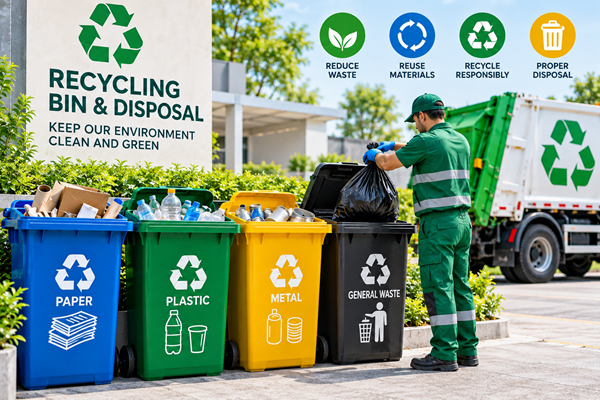
Separate Recycling From General Waste
A cleanup does not necessarily mean everything should head toward landfill.
Many projects generate potentially recoverable materials. Cardboard from packaging, clean wood, metal, and certain construction materials may have recycling opportunities depending on local requirements.
Separating these items before transportation is generally easier than sorting a mixed load afterward.
Keep Materials Clean
Contamination can make recycling more difficult. Food, liquids, dirt, and unrelated garbage should remain separate from recyclable material whenever possible.
Creating designated piles during the cleanup makes this easier.
Prepare Your Vehicle Carefully
Once materials are sorted, think about transportation.
Loose debris should be contained or secured so it cannot shift or leave the vehicle during travel. Break down bulky items when practical and place heavier materials where they remain stable.
Avoid overloading your vehicle. Several organized trips can be safer and easier than trying to transport an excessive amount at once.
Check Your Destination Before Leaving
Knowing where you are going can prevent wasted travel. A local waste drop-off location can be useful when planning how to move sorted materials from your property.
Before leaving, consider operating hours and material acceptance requirements. These details can change, so checking current information before a disposal trip is a sensible habit.
Make Renovation Cleanup More Manageable
Renovations are particularly likely to create multiple waste streams.
Sort During Demolition
Instead of producing one large debris pile, separate materials as they are removed. Wood can remain together, drywall can have its own collection area, and packaging can be kept away from demolition waste.
Clean as the Project Progresses
Waiting until the final day to remove every piece of debris can make cleanup overwhelming. Periodic removal keeps the workspace more organized and prevents waste from taking over usable areas.
Reduce the Amount You Need to Dispose Of
Before discarding something, consider whether it can still serve a purpose.
Reusable building materials, household items, or fixtures may sometimes have value elsewhere. Recycling suitable materials can further reduce the quantity requiring final disposal.
Reducing waste at the source also helps. Accurate measurements, careful purchasing, and proper storage can prevent usable materials from becoming waste unnecessarily.
Develop a Routine for Future Cleanups
Once you establish a reliable disposal routine, future projects become easier.
Keep recyclable materials separate from the beginning, use clearly marked collection areas, secure loads properly, and confirm destination requirements before travelling.
These habits work for household cleanouts, construction projects, property maintenance, and many other situations.
Conclusion
Finding an available waste destination is important, but responsible disposal starts before you leave home or the job site. Sorting materials, identifying recycling opportunities, preparing transportation, and checking current acceptance information can make the process considerably smoother.
A little preparation helps prevent unnecessary trips and keeps recoverable materials separate from general waste. Whether you are tackling a small cleanout or a substantial renovation, organized waste handling can turn a difficult cleanup into a manageab
About The Author