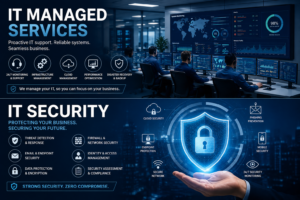
Managed IT Security Services: Building a Safer and More Resilient Business

Technology has become essential to almost every business process. Teams rely on connected systems to communicate, store information, manage operations, and serve customers. While this digital environment creates new opportunities, it also introduces security risks that organizations cannot afford to overlook.
Managed IT security services provide a structured approach to protecting business technology. Instead of addressing security problems only after something goes wrong, organizations can focus on prevention, monitoring, maintenance, and continuous improvement. This approach helps create a more dependable IT environment while allowing employees to concentrate on their everyday responsibilities.
Why Modern Businesses Need Strong IT Security
Cybersecurity is no longer an issue reserved for large organizations. Businesses of different sizes store valuable information and depend on digital tools, making their systems potential targets for malicious activity.
Threats can also originate from many directions. Suspicious emails, weak passwords, outdated software, unauthorized access, and employee mistakes can all expose sensitive information. Even a seemingly minor vulnerability may disrupt operations if it remains unnoticed.
Managed IT security services help businesses establish consistent safeguards rather than relying on occasional security checks. Regular oversight makes it easier to identify vulnerabilities early and respond before they develop into larger operational problems.
Security Requires Continuous Attention
Installing security software is only one part of protecting an organization. Technology changes constantly, and new vulnerabilities can emerge as systems, applications, and working practices evolve.
Continuous monitoring helps businesses understand what is happening across their technology environment. Unusual activity can be investigated promptly, while recurring issues can reveal areas that need stronger controls.
This ongoing attention also encourages a proactive security culture. Instead of waiting for an incident, businesses can continuously evaluate and improve their defenses.
Key Areas of Managed IT Security
A strong security strategy typically involves several layers of protection. No individual measure can eliminate every risk, so businesses benefit from combining technical safeguards with practical policies and employee awareness.
Network protection is one important area. Businesses need controls that help prevent unauthorized users from reaching sensitive systems. At the same time, devices such as computers and mobile equipment require appropriate protection because employees use them to access business information every day.
Data security is equally important. Organizations should understand where important information is stored, who can access it, and how it can be recovered when necessary.
Managing User Access Carefully
Not every employee needs access to every system. Giving people only the permissions required for their responsibilities can reduce unnecessary exposure.
Access should also change when an employee moves into a different role or leaves the organization. Without regular reviews, old accounts and excessive permissions may remain active longer than necessary.
Managed IT security services can support a more organized access-management process. Clear permissions make systems easier to control and reduce opportunities for unauthorized activity.
Reducing Risks Caused by Human Error
Technology alone cannot provide complete protection. Employees make daily decisions that affect security, from creating passwords to opening attachments and sharing files.
Security awareness therefore plays an important role in reducing risk. Employees should know how to recognize suspicious messages, protect login information, and report unusual activity.
Training works best when it is practical and ongoing. Short, understandable guidance can help security become part of normal workplace behavior instead of an occasional compliance exercise.
Keeping Systems Updated
Outdated systems may contain known weaknesses that attackers can exploit. However, updates are sometimes postponed because businesses worry about interruptions or compatibility issues.
A structured update process helps balance security with operational stability. Important patches can be reviewed, scheduled, and implemented systematically.
Regular maintenance also improves visibility. When organizations understand which devices and applications they use, they can manage updates more effectively and reduce forgotten technology that may create unnecessary vulnerabilities.
Supporting Business Continuity
Security is not only about preventing incidents. Businesses should also prepare for situations where systems become unavailable or information is lost.
Reliable backups, recovery procedures, and documented response plans can reduce disruption. Employees should understand what to do when an incident occurs, while responsibilities should be clearly assigned before an emergency develops.
Managed IT security services can help integrate prevention and recovery into one broader strategy. This preparation supports faster decision-making during stressful situations and helps organizations return to normal operations more efficiently.
Conclusion
Digital security requires more than reacting to individual threats. Businesses need an organized strategy that combines monitoring, access management, system maintenance, employee awareness, data protection, and recovery planning.
Managed IT security services can provide the continuous oversight needed to strengthen these areas. By identifying weaknesses early and maintaining consistent safeguards, organizations can create a technology environment that supports both security and productivity.
Ultimately, effective IT security is an ongoing business practice. Organizations that regularly review their systems, educate employees, and prepare for unexpected events are better positioned to protect important information, maintain operational continuity, and confidently use technology as their needs evolve.
About The Author