Second Hand Clothing Store: Find Clothes You Will Actually Wear
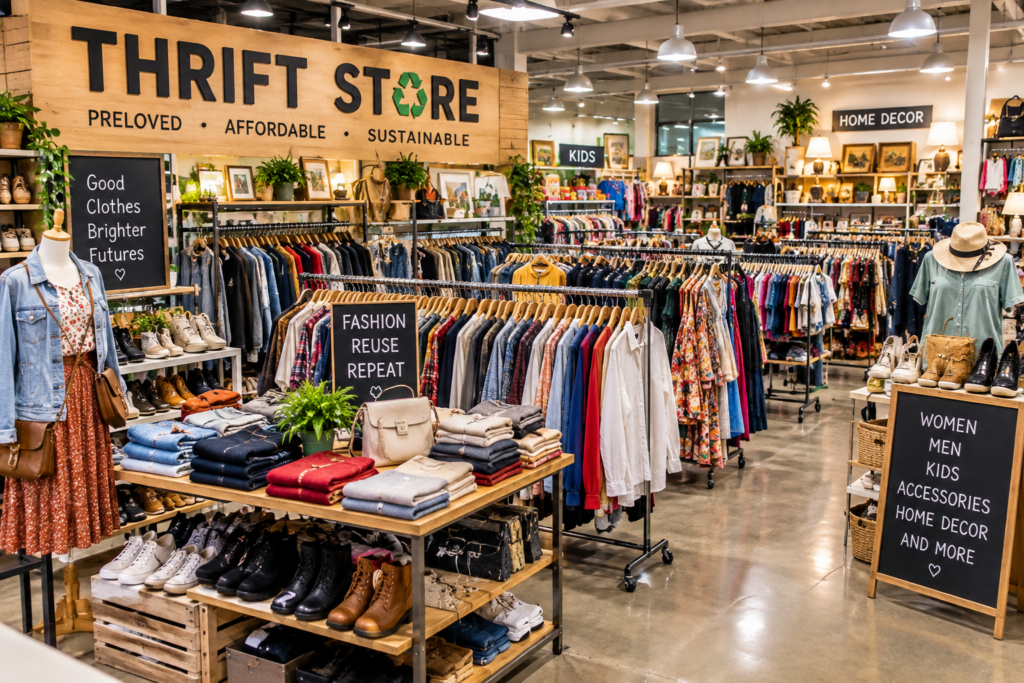
A crowded wardrobe does not necessarily make getting dressed easier. In fact, too many disconnected pieces can make choosing an outfit more frustrating. A practical wardrobe depends on clothing that fits comfortably, works together, and suits the activities that make up everyday life.
A second hand clothing store gives shoppers an opportunity to approach wardrobe building differently. Instead of focusing only on new trends, you can search for individual pieces based on fit, versatility, fabric, and personal style.
Identify Your Wardrobe Gaps First
Before shopping, open your closet and look carefully at what you already own.
Which garments do you wear repeatedly? Which items rarely leave their hangers? Are you missing layers, everyday trousers, casual shirts, or seasonal clothing?
Knowing the answers gives your visit direction.
At a second hand clothing store, a clear sense of what you need can prevent attractive but impractical pieces from distracting you.
Create a Simple Clothing Wish List
Keep your list broad enough to accommodate changing inventory.
Instead of writing down an extremely specific garment, list categories such as “everyday jacket,” “comfortable sweater,” or “versatile trousers.”
This flexibility works naturally with second-hand shopping.
Shop for Outfits Instead of Individual Pieces
One of the best ways to avoid wardrobe clutter is to think in complete outfits.
When you find a garment, picture it alongside clothing you already own. Can you create at least two or three combinations? Does it suit shoes, jackets, or accessories already in your wardrobe?
If the answer is yes, the piece has a stronger chance of being useful.
This approach makes shopping at a second hand clothing store much more intentional.
Check Fit Beyond the Size Label
Clothing sizes are not always consistent.
Different manufacturers, styles, and periods may use different measurements. Therefore, treat the size label as a starting point rather than an absolute rule.
Pay Attention to Proportions
Look at shoulder width, sleeve length, waist placement, overall length, and fabric movement.
A garment that technically matches your usual size may not provide your preferred fit. Conversely, a different labelled size might work surprisingly well.
Knowing your measurements can make these decisions easier.
Inspect Fabric and Construction
Before selecting second-hand clothing, examine the garment carefully.
Check seams, hems, buttons, zippers, cuffs, collars, and pockets. Look for excessive wear and consider whether the fabric still feels suitable for regular use.
Shoppers can also explore a local second-hand fashion destination when planning a clothing-focused thrift trip.
Prioritize Pieces That Work Harder
Versatile garments simplify everyday dressing.
A layer that works across several seasons, a shirt that can be styled casually or more neatly, or trousers that pair with multiple tops may provide more usefulness than an extremely specific piece.
A second hand clothing store can offer many different styles, making it easier to experiment while still prioritizing versatility.
Add Personality After Covering the Basics
Practical does not have to mean boring.
Once your wardrobe essentials are covered, look for distinctive textures, patterns, unusual cuts, or accessories that express your personality.
The goal is balance. Reliable basics make getting dressed easier, while distinctive pieces prevent your wardrobe from feeling generic.
Be Comfortable Leaving Empty-Handed
Not every shopping trip needs to end with a purchase.
Because second-hand inventory changes, waiting can be worthwhile. If an item does not fit properly, complement your wardrobe, or meet your needs, leave it for someone else.
Another visit may bring something much more suitable.
Build Your Wardrobe Gradually
A useful wardrobe develops over time.
Visiting a second hand clothing store with clear priorities can help you focus on garments that genuinely add something to what you already own. Instead of collecting disconnected pieces, you can gradually build combinations that make everyday dressing easier.
Know your wardrobe gaps, inspect condition, think in outfits, and prioritize comfortable fit. At the same time, leave room for unexpected discoveries that reflect your personality.
With patience and thoughtful selection, a second hand clothing store can become a rewarding place to find clothing that earns its place in your wardrobe and gets worn again and again.